
Most small businesses do not lose deals to competitors. They lose them to silence — an enquiry that arrived on WhatsApp during a busy afternoon and was never followed up.
The usual response is to buy a CRM. Then, three weeks later, nobody is updating it, and enquiries are back in the WhatsApp backlog. The tool was not the problem. The design was.
Here is what a lead system needs to be to actually survive.
Rule one: capture must be effortless
If logging a lead costs more than about fifteen seconds, it will not happen during a busy week — and busy weeks are precisely when leads arrive.
Keep required fields to four:
- Name (or business name)
- Phone — the one channel you will definitely use
- Where they came from — referral, Instagram, walk-in, website
- What they want — one line, in their words
That is it. Everything else can be filled in later by whoever picks the lead up. Every additional required field measurably reduces the number of leads that get recorded at all, and an unrecorded lead is worth zero regardless of how complete your other records are.
Rule two: one pipeline, five stages maximum
Sales teams love designing pipelines. Twelve stages, each with an exit criterion. Then nobody can remember whether a lead is in "Qualified" or "Discovery" and everything piles up in stage two.
Five stages is enough for almost every small business:
- New — arrived, nobody has spoken to them
- Contacted — a real conversation happened
- Quoted — they have a number
- Won
- Lost
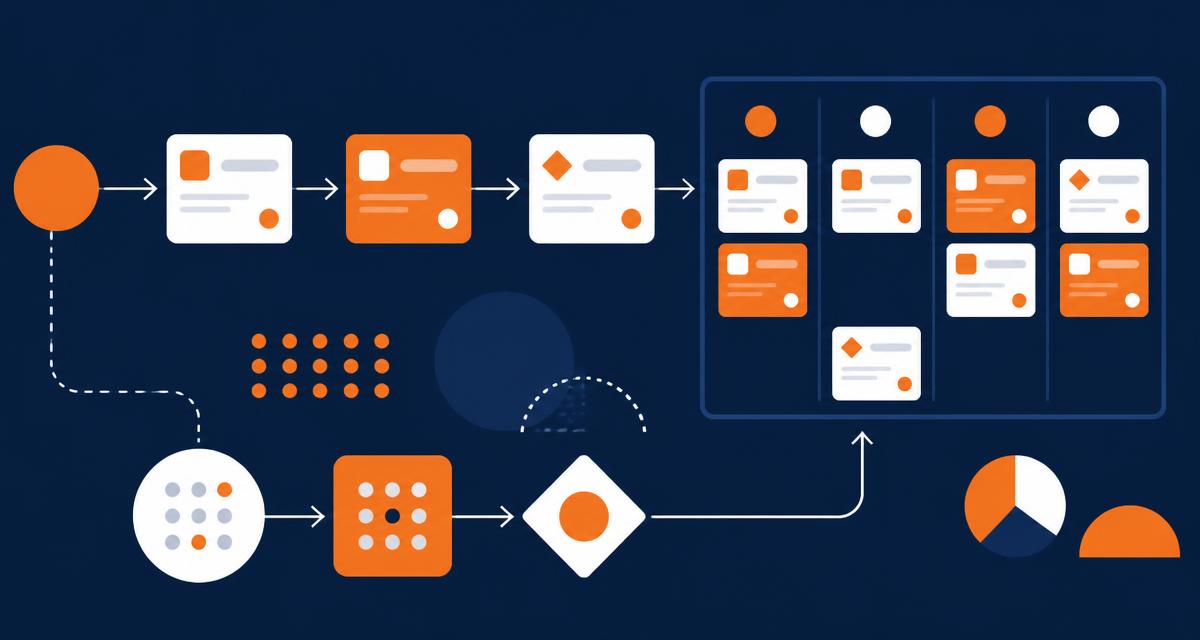
The value of a pipeline is not classification. It is answering one question at a glance: which of these has nobody touched? A board where you can see the New column growing is doing its job.
Rule three: every lead has an owner and a next date
These two fields do more work than the rest of the system combined.
Owner — a named person, never "the team". Shared responsibility is no responsibility.
Next action date — when someone will next make contact. Not a vague reminder; a date. Every lead in the pipeline should have one, and a lead without one is either won, lost, or being forgotten.
Then the daily view is trivial: my leads, next action date is today or earlier. That list is the whole job. If it is empty by close of business, the day was worked properly.
Rule four: follow up on the channel they used
If someone messaged you on WhatsApp, replying by email is a slow way to be ignored. Match the channel.
This is also where a small amount of automation pays off dramatically. Not automated sending — automated preparing. A button next to each lead that opens WhatsApp with the right number and a pre-filled, editable message removes the friction of composing from scratch while keeping a human in the loop. Staff send more follow-ups, and the messages still sound like a person.
Keep two or three templates: a first response, a quote follow-up, and a gentle re-engagement after silence. Let people edit them every time.
Rule five: record the loss reason
Nobody enjoys this and everyone should do it. When a lead is marked lost, one required choice: too expensive, went elsewhere, no longer needed, no response, wrong fit.
After sixty lost leads, that field tells you something no dashboard can invent. If half are "no response", your problem is follow-up speed, not pricing. If half are "too expensive", your problem is either your price or how you are explaining value. These require completely different fixes, and without the data you will guess — usually by discounting, which is the expensive guess.
Rule six: measure three numbers, not thirty
- Response time — enquiry received to first human contact. Aim for under an hour during working hours. This single number moves conversion more than anything else on this list.
- Conversion rate by source — so you stop spending on channels that bring volume but no customers.
- Leads with no next action — your leakage indicator. It should be near zero.
Anything else is interesting, not actionable.
Rule seven: review weekly, together, for fifteen minutes
The system decays without a ritual. One short weekly meeting with the board on screen:
- Anything in New for more than 24 hours — why?
- Anything with an overdue next action — reschedule or close it.
- Last week's wins and losses, and one sentence each on why.
Fifteen minutes. The point is not management oversight; it is that the board gets cleaned up weekly, which is the only reason boards stay useful.
When you have outgrown this
You will know it is time for something heavier when you genuinely need multi-stage approvals, territory management, or forecasting tied to revenue recognition. Until then, added complexity costs you adoption, and adoption is the only thing that matters.
We build lead systems on exactly this shape — a Kanban board, WhatsApp follow-up built in, CSV import for the leads already in your spreadsheet, and loss-reason reporting. If you want to see it against your own process, book a consultation.